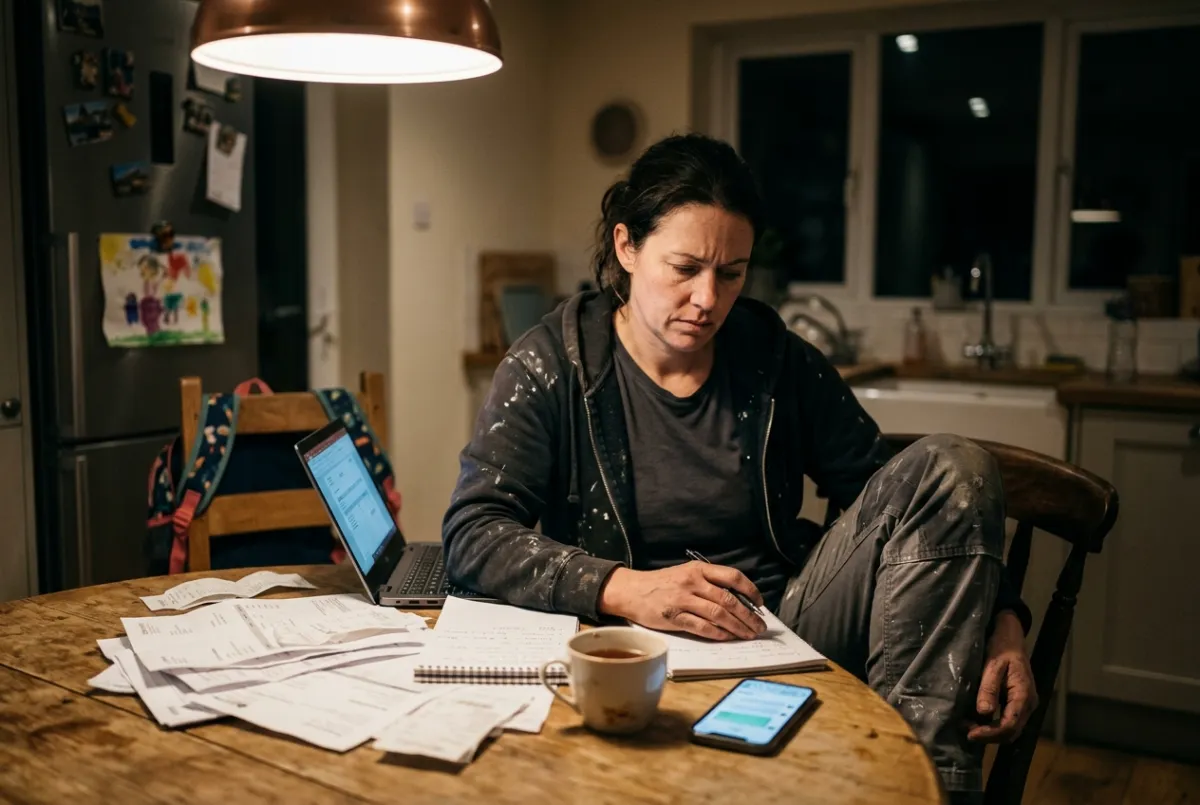
“I'm on the tools all day and doing quotes at the kitchen table all night. When does it stop?”

Job management software for tradesmen, set up so your evenings are yours again.

You didn't start a business to work for it. I'll help you turn the job you've built into a proper business.

I'm Daniel Andrews. I run a busy firm, and I built the systems it runs on. Now I help plumbers, electricians, builders, gardeners and every other one-person trade in East Sussex get the admin off the kitchen table.

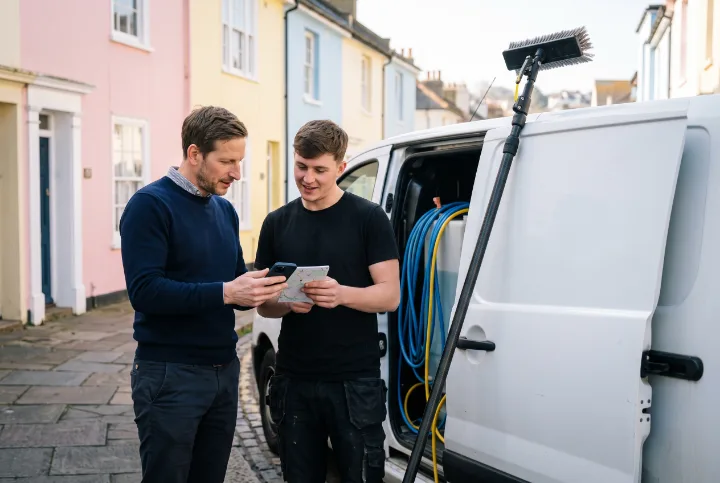
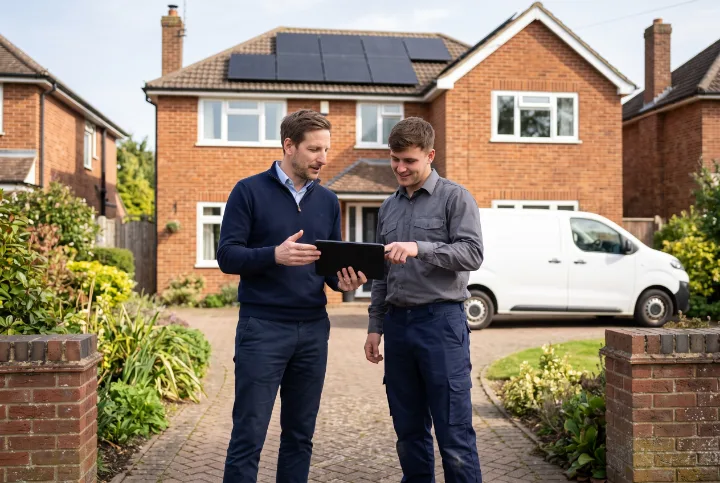
Daniel Andrews looking at a job list on a phone with a self-employed plumber beside his van
Sound familiar?

Off the tools at five. Still working at ten.

If you work for yourself, you probably know this day off by heart.

“I'm on the tools all day, then it's quotes and invoices until eleven.”
“The kids ask why I'm always on my phone at tea time.”
“I miss calls because my hands are full, and the job goes to someone else.”
“I'm owed thousands and I haven't had a minute to chase it.”

A normal weekday for a one-man band

  1. 6:30
    Load the vanMessages from last night already waiting
  2. 8:00
    On the tools until fivePhone ringing in your pocket all day
  3. 6:00
    Tea with the familyHalf there, half answering texts
  4. 7:30
    Quotes at the kitchen tableThree to write up from today's visits
  5. 9:30
    Invoices and chasingAnd finding that receipt from Tuesday
  6. 11:00
    BedThen the same again tomorrow
Most of the evening's work could happen without you.
A self-employed decorator still in work clothes, doing paperwork at the kitchen table late at night
The honest bit

You started a business to be free

Think back to the day you went on your own. You wanted to be your own boss. You wanted to pick your hours, be there for the school run or the Saturday match, and earn properly for the work you do.

Then the work came in, and the admin came with it. Quotes, invoices, chasing, certificates and messages at all hours. Now you work every hour there is, and the business decides when you stop.

If the money stops the moment you put the tools down, you haven't built a business. You've built a job, with a very demanding boss.

What does "built a job, not a business" mean?

It means everything depends on you. You win the work, do the work, send the quotes, chase the money and answer every call. If you're ill or on holiday, nothing happens. A business has systems that keep running without you doing each step by hand, so your time goes on paid work and your family.

A job or a business? Where do you sit today?
 When you've built a jobWhen you've built a business
New enquiriesMissed while you're up a ladder, returned at nightLogged straight away, with a reply and a time to call back
QuotesWritten from scratch at the kitchen tableDrafted from your site notes and price list, checked by you on the day
Your diaryIn your head, or on the back of a receiptOne calendar, with reminders that go to customers by themselves
Getting paidInvoices go out late and chasing feels awkwardInvoices go out when the job's done and reminders follow on a schedule
Reviews and repeat workYou mean to ask, but never get round to itEvery happy customer gets a polite request at the right moment
Knowing your numbersYou find out at the end of the yearA simple weekly view of work won, money owed and money in
If you're ill or awayEverything stopsThe routine work carries on, and you could bring someone in to help

Most tradespeople sit somewhere in between, and you don't have to change everything at once. One or two of these rows, done properly, can give you back evenings every week. That's where I start.

The promise

Let's turn the job into a proper business

I don't sell software and I don't take commission from anyone who does. I help you get the admin off your plate, in this order.

  1. Find where the hours go

    We walk through a normal week together. I show you which jobs a system could do and roughly how much time each one takes.

  2. Put the admin on rails

    Enquiries, quotes, bookings and reminders set up in one place, usually in tools you already have or one app chosen for your trade.

  3. Get paid without chasing

    Invoices sent when the job's finished, polite reminders on a schedule, and a quick way for customers to pay on the day.

  4. Step back

    How your jobs are done, written down. That's what lets you take on an apprentice, a subcontractor or a proper holiday.

Tell me what your evenings look like. I'll tell you honestly what I'd take off you first.

Book a free 30-minute call

What is job management software for tradesmen?

It's one app that holds the whole life of a job: the enquiry, the quote, the booking, notes and photos from site, certificates, the invoice and the payment. Instead of paper, texts and a spreadsheet, it all sits on your phone, and the routine messages to customers can go out by themselves.

There are plenty of these apps built for UK trades, and most offer a free trial. The app matters less than how it's set up. Too often it gets bought in a busy week, half set up, and then quietly abandoned. The table shows the pieces I usually join together.

The pieces of a trade business that runs without you doing every step
PieceWhat it takes off youWhat to check
Job management appQuotes, job sheets, photos, certificates and invoices in one placeWorks on your phone on site, and fits how your trade actually works
Accounting softwareBank feeds, receipts and your tax recordsLinked to your job app, and on HMRC's list for Making Tax Digital
Calls and messagesEnquiries logged and answered while your hands are fullEvery enquiry reaches the same place, whichever way it arrives
A simple CRMPast customers, service dates and follow-ups remembered for youOften built into the job app, so you may not need a separate one
Google Business Profile and reviewsLocal customers finding you and trusting youA review request sent after every finished job
Automation between themDetails typed once, then passed along by themselvesA person still checks anything that matters

I'll help you choose, but I'll never push a product on you. If what you already have can do the job, we use that. For how the joining-up works, see business automation.

Do I need job management software as a one-man band?

Not always. If you do a handful of big jobs a month, good accounting software, one shared calendar and a few automations may be enough. If you juggle lots of small jobs, quotes and certificates, one app that holds each job from enquiry to payment usually gives back more time than it takes to learn.

Either way, the test is simple. Does it take work off you in the evenings, or just move it to a different screen? If it's the second, it isn't set up properly yet.

What marketing actually works for tradesmen?

For most local trades, it's the simple things done every time. A complete Google Business Profile, a review request after each finished job, a quick reply to every enquiry, and staying in touch with past customers. Automation makes those happen without you having to remember. Word of mouth still wins most work.

I've spent 20 years in BNI, so I've seen how much work comes from referrals. The trick is making it easy. Thank the people who send work your way, and make sure every enquiry they send gets a fast answer. A system can do both.

Does Making Tax Digital affect tradespeople?

Yes, if you're a sole trader. Since 6 April 2026, sole traders and landlords with qualifying income over £50,000 must keep digital records and send HMRC quarterly updates. The threshold falls to £30,000 from April 2027 and £20,000 from April 2028. Qualifying income is your turnover before expenses, not your profit.

HMRC's own page explains who needs to use Making Tax Digital for Income Tax and when, and keeps a list of software that works with it. If your quotes, invoices and receipts already flow into your accounts, the quarterly updates are far less painful. Your accountant should confirm what applies to you.

Please note: this is general information, not tax or legal advice. I'm not an accountant, and my consultancy doesn't give legal advice.


Find your trade

What this looks like in your trade

Every trade has its own paperwork, from certificates to rounds to the Construction Industry Scheme. Pick yours to see where I'd start.

Plumbing

Plumbers

Call-outs answered, quotes built from your price list, parts matched to jobs and notifications tracked, so the van isn't your evening office.

For plumbers
Electrical

Electricians

Certificates written up on site, EICR recalls sent to landlords, remedials quoted and invoices chased, so testing days don't become writing-up nights.

For electricians
Building

Builders

Quotes, variations, subbies and the monthly CIS return, set up so the office side of a building firm stops eating your evenings.

For builders
Gas and heating

Gas and heating engineers

Every landlord check and boiler service on one due-date list, records sent from site, and boiler quotes followed up, so winter weekends stay yours.

For gas and heating engineers
Locksmithing

Locksmiths

Lockouts caught while you're mid-job, key and job records kept straight, and the invoice sent before you've left the doorstep.

For locksmiths
Gardening

Landscape gardeners

For gardeners and landscapers juggling a maintenance round, bigger landscaping quotes and green waste records through a long summer of late nights.

For landscape gardeners
Roofing

Roofers

Rained-off jobs rebooked, quotes built from roof photos and CIS statements kept straight, without giving up your evenings to do it.

For roofers
Joinery

Joiners and carpenters

Measured drawings into quotes, cutting lists and timber orders, with deposits taken on time, so bespoke work stops costing you evenings.

For joiners and carpenters
Decorating

Painters and decorators

Rooms measured and quoted on the spot, colours and products recorded, and exterior jobs rebooked when the forecast turns.

For painters and decorators
Handyman

Handymen

Small jobs quoted from photos, days planned by area so you're not zigzagging across town, and every little extra invoiced.

For handymen
Rounds

Window cleaners

For window cleaners running a round alone: rain-day reshuffles, collecting payment after every clean and fitting new customers in without a Sunday rebuild.

For window cleaners
Tree work

Tree surgeons

For tree surgeons juggling site surveys, TPO and conservation area checks, crews, chippers and quotes, all while spending the day up a tree.

For tree surgeons
Cleaning

Cleaners

Regulars on repeat, cover when you're off, keys and alarm codes kept secure, and an invoice that goes out after every clean.

For cleaners
Motor repair

Mobile mechanics

Bookings that capture the reg and the symptoms, parts ordered the day before, and payment taken before you leave the driveway.

For mobile mechanics
Pest control

Pest control

Call-outs caught while you're in a loft, contract visits booked for the year, and reports sent before you leave site.

For pest control
Plastering

Plasterers

Skims priced by the metre or the day, drying time built into the diary, and builders chased for payment without the awkward phone calls.

For plasterers
Flooring

Flooring fitters

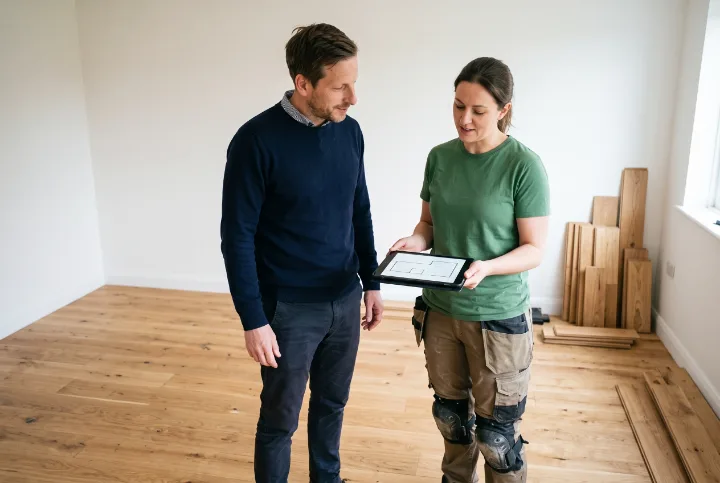
Rooms measured and quoted with the waste worked in, deliveries tracked, and fitting days that hold when the trades before you run late.

For flooring fitters
Kitchens and bathrooms

Kitchen and bathroom fitters

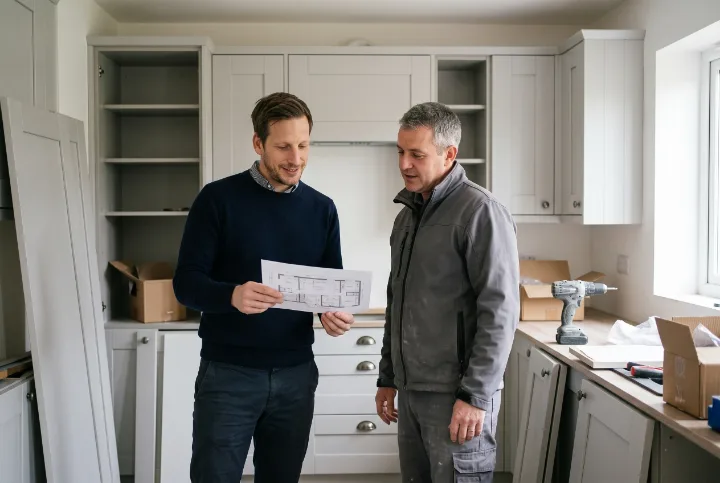
Plumber, sparky and tiler booked in order, lead times and deposits tracked, and snag lists closed off so the final payment arrives.

For kitchen and bathroom fitters
Drainage

Drainage engineers

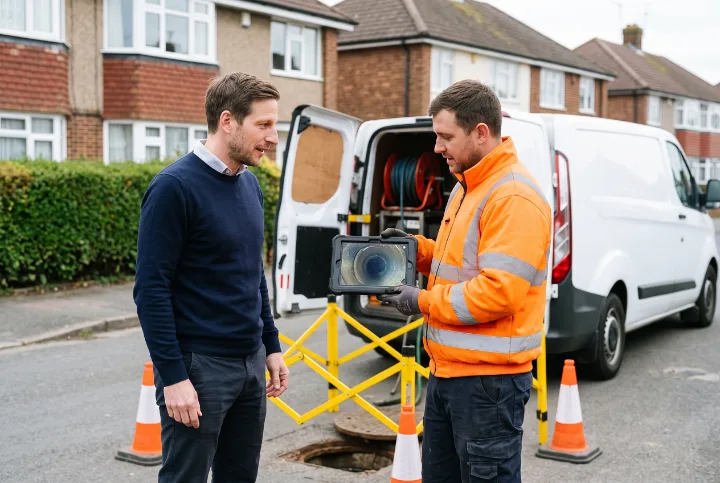
Emergency call-outs sorted by urgency, CCTV survey reports sent from site, and grease trap contracts booked for the year ahead.

For drainage engineers
Fire and security

Fire and security installers

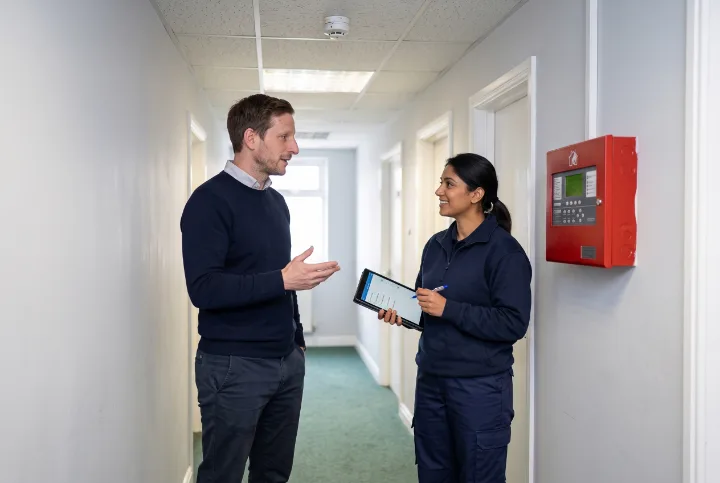
Every site and system on one register, service visits booked from each contract, and records and renewal invoices sent without you.

For fire and security installers
Solar

Solar installers

Each job carried from enquiry to handover, with slow quotes followed up, DNO and MCS deadlines tracked, and handover packs sent on the day.

For solar installers
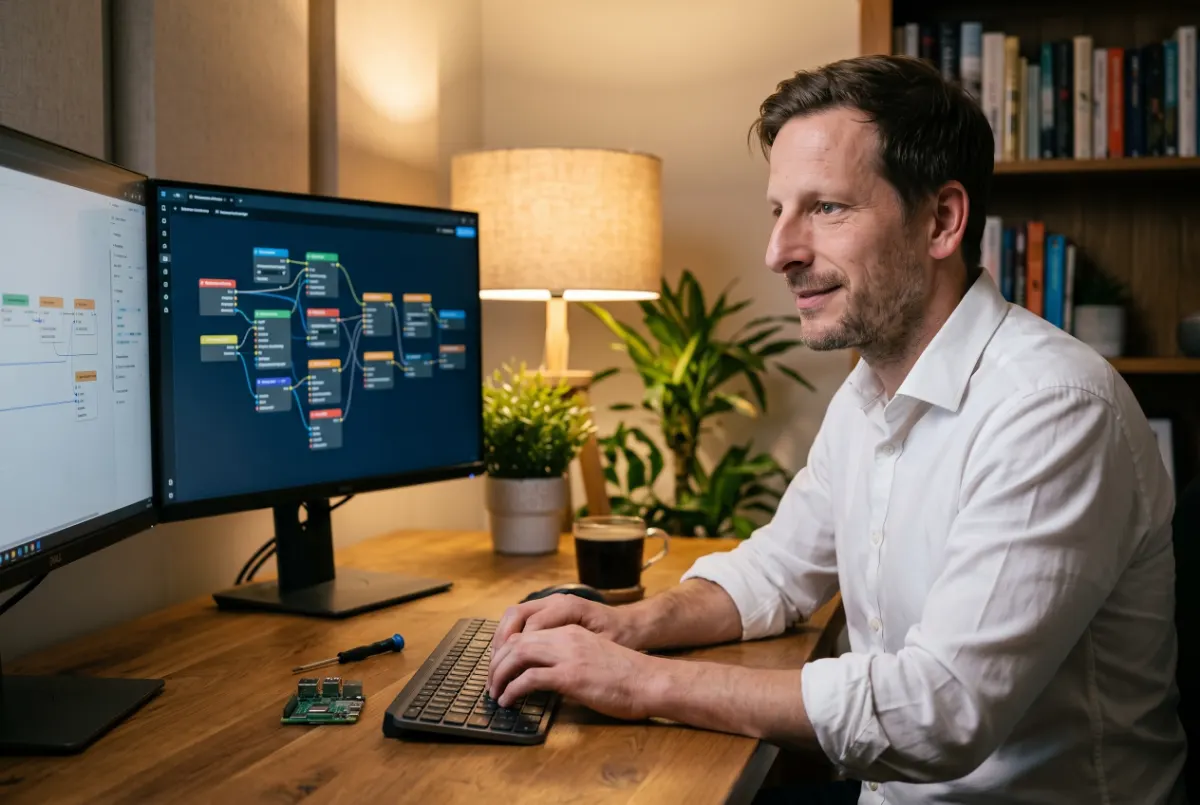
Daniel Andrews at his desk building an automation across two screens
Why listen to me

I've been where you are

For years I worked 60 to 70 hours a week, often until 2 in the morning, sure the only way to grow was to work harder. I checked emails on holiday before anyone else was up, and rushed my children to bed so I could get back to work.

More hours didn't fix it. Stepping back and putting the firm on systems did. It's now four to five times the size it was when I started, and I don't work like that any more.

I'm Managing Partner of a two-office law firm with around 30 people, so the paperwork, the cash flow and the chasing aren't theory to me. And as a dad of two who coaches football, I know what your evenings and weekends are worth.

This consultancy is new, so there are no reviews yet. What I can show you is what I've built in my own firm. Read the whole story on my About page.

What I've built in my own firm

  • A live dashboard of the numbers that matter, so nobody builds reports by hand.
  • Tasks handed between people with one-click sign-off, instead of emails that get lost.
  • Marketing drafted with AI and checked by a person before anything goes out.

What that means for you

The same system works in a van as it does in an office. See where the time goes, put the repeat work on systems, and keep a person on anything that needs judgement. Then spend the evenings you win back at home.

Based in Eastbourne, working across East Sussex, from Hastings and Bexhill to Hailsham, Lewes and Uckfield. See the areas I cover.

Questions people ask

Questions from tradespeople

I'm a one-man band. Is this really for me?

Yes. The smaller the business, the more every evening of admin costs you. For a one-person trade the right set-up is usually small, quick to learn and built on tools you already pay for.

Will I have to buy new software?

Not necessarily. We start with what you've got, such as your phone, your email and your accounting software. If a job management app would genuinely help, I'll explain the options and you choose. I take no commission from any software company.

Will customers feel they're dealing with a robot?

No. The routine messages, like booking confirmations and payment reminders, go out in your words. Anything that needs judgement or a personal touch stays with you. Most customers just notice that you reply faster.

Can AI help a tradesman?

It can take a lot of the writing off you. It can turn a voice note from site into a tidy quote, draft replies to enquiries, and write up job notes. You check everything before it goes. It won't do the job for you, and it shouldn't be trusted with customer details until it's set up properly.

Can you guarantee it'll all work perfectly?

No, and I'd be wary of anyone who says they can. You're paying for my time and expertise, not a software product. I test everything before I hand it over and put right anything that doesn't do what we agreed. You check it and sign it off before it goes live.

How much does it cost?

It depends on what you need, not on the size of your business. After the free call you'll get a clear written price before you commit to anything, and any software costs are set out first.

Do you work with trades outside East Sussex?

Yes. I'm based in Eastbourne and happy to come to you across Sussex and into Kent. Much of the setting up can be done by video, so it works wherever you are.

Get your evenings back. Build the business you set out to build.

Book a free 30-minute call. Tell me what your week looks like, and I'll tell you honestly what I'd take off you first.