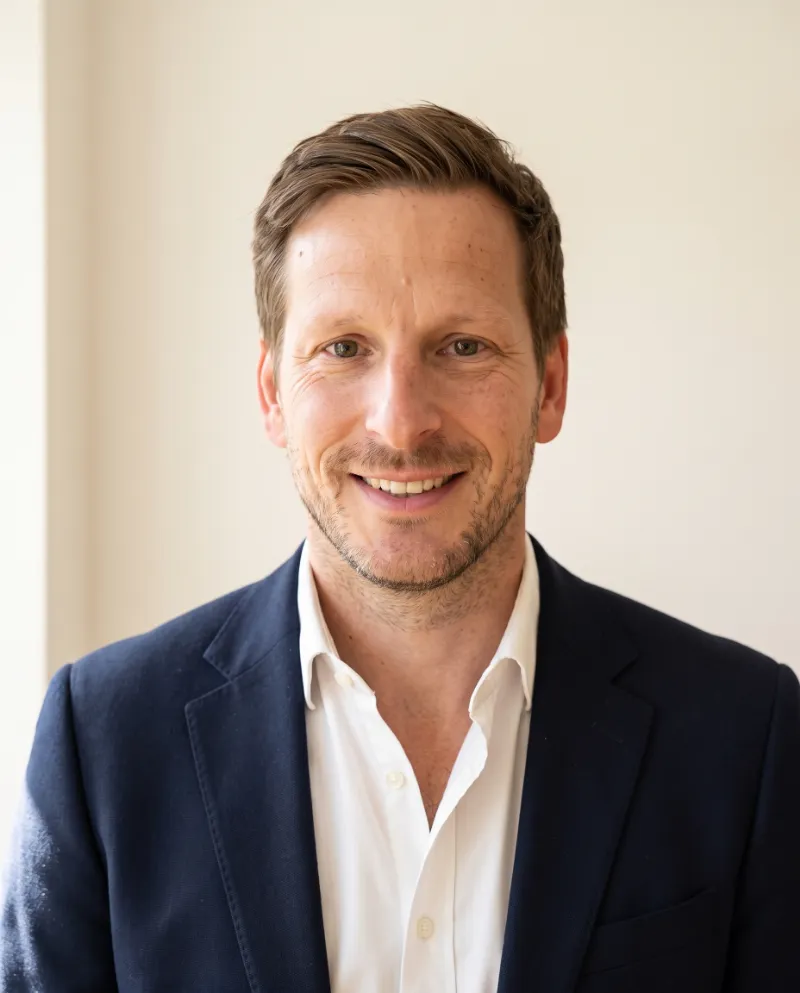
Portrait of Daniel Andrews

“Why would a solicitor be the right person to sort out how my business runs?”

About Daniel Andrews: efficiency runs through my blood

Because I've had to make a busy business run on systems, not on one person's evenings. I'll help you do the same.

I'm a solicitor and the Managing Partner of a busy law firm in East Sussex. For years that firm ran on my evenings. Now it runs on systems, and I help other local owners make the same change.

Sound familiar?

You've every right to be sceptical

These are fair questions. I'd ask them too.

“Every tech person I've used left me with something only they understood.”
“Consultants always seem to have software to sell.”
“I don't need another app. I need my evenings back.”
“Does a solicitor really understand a small business?”

I'm not a software company, and I don't earn commission on anything I recommend. I'm a business owner who had to stop a growing firm running on one person's evenings. Here's how that happened, so you can judge for yourself.

The turning point

It looked like success. It didn't feel like it.

Two years ago, I was often still working at 2 in the morning. Chasing money, making sure everyone got paid, looking after my staff, my family and my children. I'd never have imagined that I, of all people, would be working like that. And every holiday was hell.

Daniel AndrewsManaging Partner and AI consultant

People who know me know I built a successful firm. They know I work stupid hours, too. What most of them didn't see was what those hours were costing.

For years I worked 60 to 70 hours a week, every week, trying to grow the business and win more clients. Fear drove it: the fear of not getting work. I was in lots of networking groups and did all the usual things. I thought the only answer was to work harder.

What it cost at home

Every holiday was the same. I'd be up before everyone else, checking emails and dealing with work before the day had even started. At home, I'd rush the children to bed so I could get back to work for the evening.

The stress showed. I was constantly snapping at the children. Then I'd lie awake asking myself why I'd snapped at my wife, my parents and the people I love most, when none of it was their fault.

I decided I had to change

The responsibilities of running a busy law firm, the financial pressure and everything else took their toll. And working harder clearly wasn't the answer: I'd tried it for years.

So I stopped, stepped back and spent months working out how to get out of the situation I was in. What I found was a system: see where the time goes, put the repeat work on systems, and spend the hours you win back on the business.

It has helped me grow the firm to four to five times the size it was when I started.

What changed when I stepped back
 BeforeAfter
How I tried to growWork harder, longer and in more networking groupsStep back, find the repeat work and put it on systems
What drove itThe fear of not winning clients or workA clear view of where the time and the money go
Where the hours went60 to 70 a week, often until 2am, much of it on repeat workOn clients, the team and growing the business
Holidays and eveningsEmails before breakfast, and work once the children were in bedTime with my family, with the routine work handled
At homeStressed, and snapping at the people I loveMore patient, because the pressure isn't all on me
The firmWhere I startedFour to five times the size

Two years on, I can hardly believe I worked the way I did. The system isn't a piece of software, and it isn't a legal method. Its principles apply to any business, which is why I now help other owners use them. See the system, step by step.

My career

From trainee to Managing Partner

I joined a local law firm as a trainee solicitor in 2010, after passing the Legal Practice Course with a distinction. I became a partner in 2015. Today I'm Managing Partner of a multimillion-pound, two-office firm in Eastbourne and Battle with around 30 people.

I still run my own caseload, and I hold higher rights of audience in civil proceedings, so I can act as an advocate in the higher courts. Growing a firm while doing the day job taught me that time is the one thing you can't buy more of.

Running a business also taught me to read the numbers, spot where money and time leak away, and fix the process before buying anything new.

The short version
YearWhat happened
Age 6Built my first computer, and never stopped taking systems apart
2010Started as a trainee solicitor
2015Became a partner, five years after starting
2026Built the firm's own reporting dashboard and task hand-offs, and started helping other businesses do the same

The firm's growth didn't come from longer hours. It came from better systems: clearer processes, less duplication and, more recently, AI and automation.

Technology in my blood

It started with a screwdriver and a computer

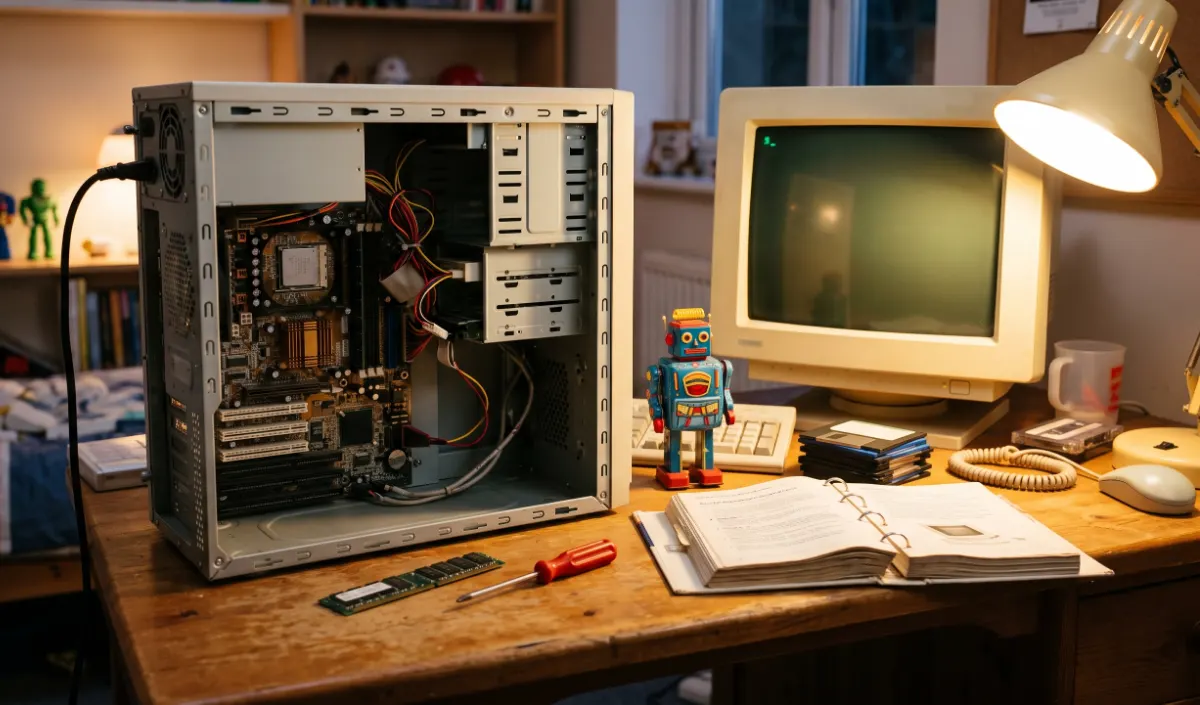
I built my first computer when I was 6. I wanted to know what was inside the box, so I took it apart, put it back together and made it better. I've been doing the same to every system I've met since.

People call it hacking. I mean the original sense: finding out how something really works, then improving it. Never breaking in, and never anything that puts your data at risk.

Technology isn't a department for me. It's part of everything I do. At the firm, at home and on the touchline, I'm usually building something that saves someone time.

  • I understand how systems actually work, not just what the brochure says.
  • I can talk to your IT provider in their language, and to you in plain English.
  • I test things properly before your team relies on them.
An early-1990s computer with its case open on a child's bedroom desk
Where it started: an early-1990s computer with the side off (an illustration).
What I'm good at

A problem solver first

Ask me what I do and the honest answer is that I solve problems. I've done it for 20 years. Clients bring me the problems that keep them up at night, and at the firm I deal with whatever lands on my desk.

It doesn't stop at work. When something goes wrong in the family, I'm usually the one who gets the call. However tangled a problem looks, I can usually see the wood for the trees.

Now there's a system for it

For years I did that the slow way, in my head and at my desk late at night. Now I have a system that does it faster. It pulls a business's figures, software and ways of working into one place, so the real problem shows quickly.

I use it in my own firm, and it's what I bring to yours. It's how the live dashboard, the automated hand-offs and the AI marketing system at the firm came about.

THE SOLICITOR

Facts, confidentiality, detail

Working in law since 2010 has trained me to get to the facts, keep confidences and check the small print. This consultancy doesn't give legal advice and isn't regulated by the SRA, but those habits come with me.

THE BUSINESS OWNER

A multimillion-pound firm

I run a two-office firm with around 30 people. I know what it takes to win work, pay the team and keep the numbers right.

THE PEOPLE PERSON

Comfortable in any room

Clients, staff, partners, networking groups, school governors and a football team. I can talk to your team as easily as to you, and I'm happy to speak to your group or association.

Time management

How I fit it all in

Alongside the firm, I'm a dad of two, a parent governor and a football coach. People often ask how I fit it all in. Two years ago, the honest answer was that I didn't. These are the rules I work by now.

RULE 1

Write it down, then build it

The second time I do a task, I write down how. The third time, I automate it or hand it to someone with the instructions.

RULE 2

Protect the deep work

The work that grows a business needs time without interruptions. Routine emails and updates shouldn't be allowed to eat it.

RULE 3

Measure in hours

Every idea gets the same test. How many hours a month will this save, and what could go wrong?

RULE 4

Keep a person in the loop

Machines do the repetitive parts. People make the judgement calls and own the relationship with the customer.

Always building

An entrepreneur at heart

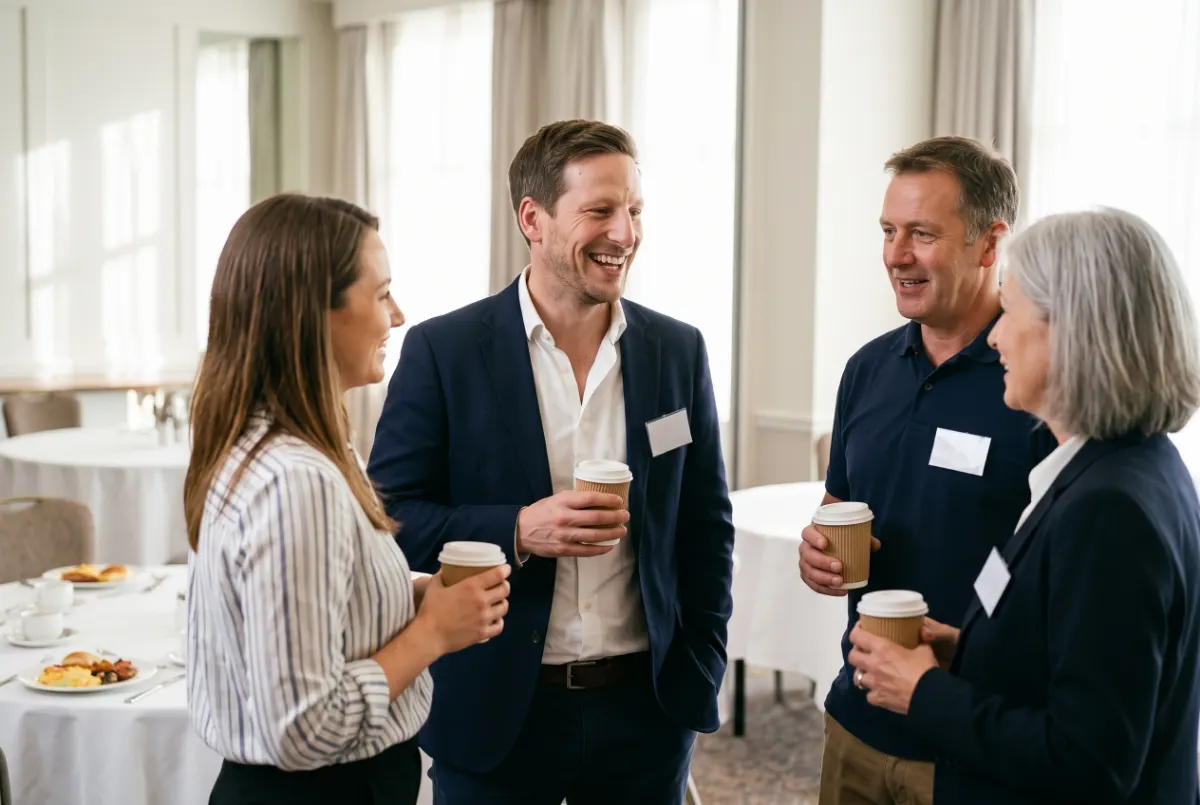
I've been a BNI member for 20 years. Two decades of networking breakfasts teach you how small businesses run. You hear about the cash-flow worries, the chasing and the admin that eats evenings.

They also teach you that good business comes from relationships and trust. That's why I'd rather sit at your desk and watch how the work gets done than send you a slide deck.

Put that business sense together with a lifelong love of technology, and you have what I bring: someone who can see where your time goes and build the fix.

Daniel Andrews chatting with local business owners at a networking breakfast
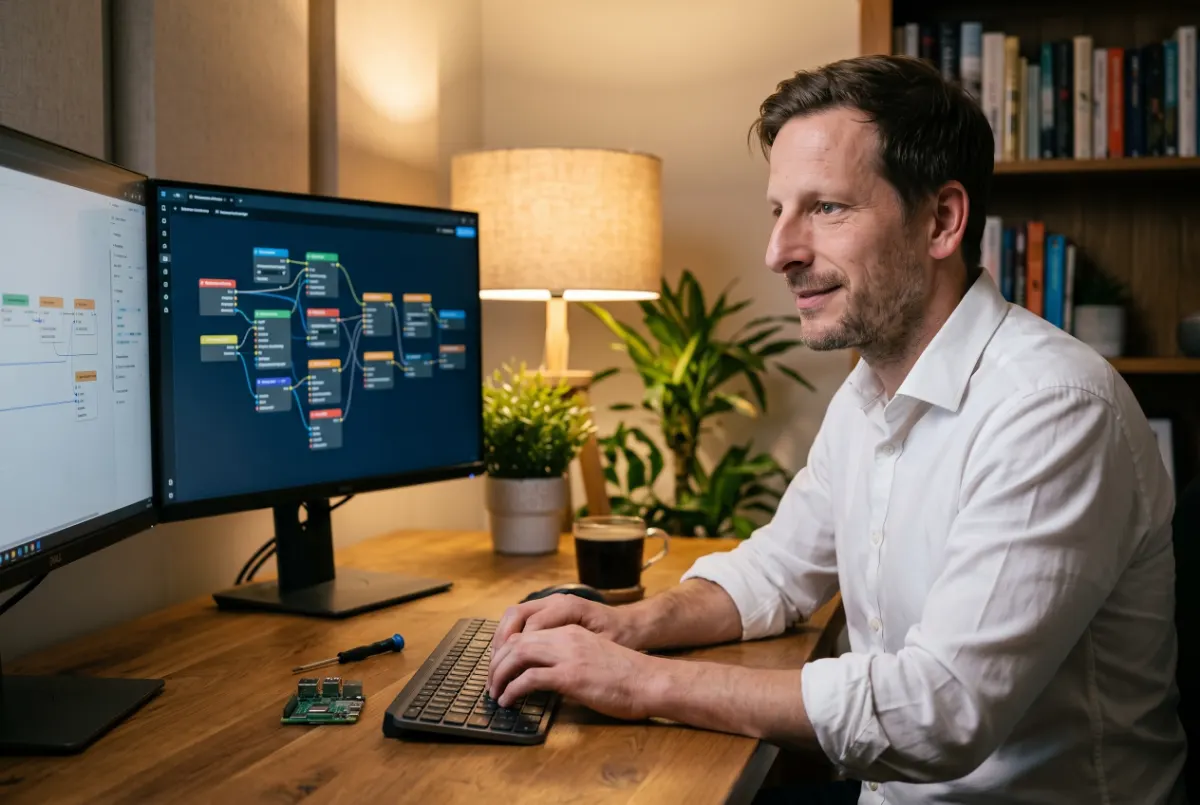
Daniel Andrews at his desk building an automation across two screens

What I've built in my own firm

At the firm, I don't wait for a software company to solve a problem. I work out what we need, then build it or find the tool that fits.

  • A live reporting dashboard that pulls figures from our case management system, so nobody builds reports by hand.
  • Task hand-offs between colleagues, with approvals and one-click sign-off, instead of emails that get buried.
  • An AI-assisted marketing system for web pages, guides, social posts and short videos, with compliance checks built in.

Everything I've built for my own firm, I can build for yours: business dashboards, business automation and AI content creation.

No client information is ever shown or shared. The firm's systems stay the firm's.

What I've learned

Lessons from automating a busy firm

  • The biggest wins are often the dullest. Passing tasks between people and building regular reports are where the hours hide.
  • Map the process before touching a tool. Most problems are unclear steps, not missing software.
  • People keep what saves them time on day one. If a new system adds a step, it won't stick.
  • Confidentiality has to be designed in. It can't be bolted on after the first mistake.

That's why every piece of work I do starts with how your business really runs. See how that works in the AI readiness assessment.

Questions people ask

Questions about me

Are you still a practising solicitor?

Yes. I'm Managing Partner of a law firm in East Sussex. This consultancy is a separate business. It doesn't give legal advice and isn't regulated by the Solicitors Regulation Authority.

What makes you different from other AI consultants?

I'm not a tech company with software to sell. I'm a solicitor and a business owner who runs a multimillion-pound firm, and I've spent 20 years solving problems for clients. Everything I recommend, I've built and used in my own firm first.

Why does a solicitor know about AI and automation?

Law firms run on process, deadlines and paperwork, with strict rules on confidentiality. That makes them a demanding place to automate. I've had to get it right there, so I bring the same care to your business.

Does the system only work in a law firm?

No. It came out of running a law firm, but the principles aren't legal ones: see where the time goes, put the repeat work on systems, and spend the time you win back on growth. They apply to trades, shops, agents and professional firms alike. What it looks like, and what it achieves, depends on your business.

Do you only work with law firms?

No. What I've learned applies to any business with enquiries, quotes, jobs, invoices and a team to coordinate. That includes trades, estate and letting agents, care providers, retailers and professional services.

Let's talk about your business

A free 30-minute call, in person or by video. Bring the job you'd most like to stop doing. See all my AI and automation services first if you'd like.